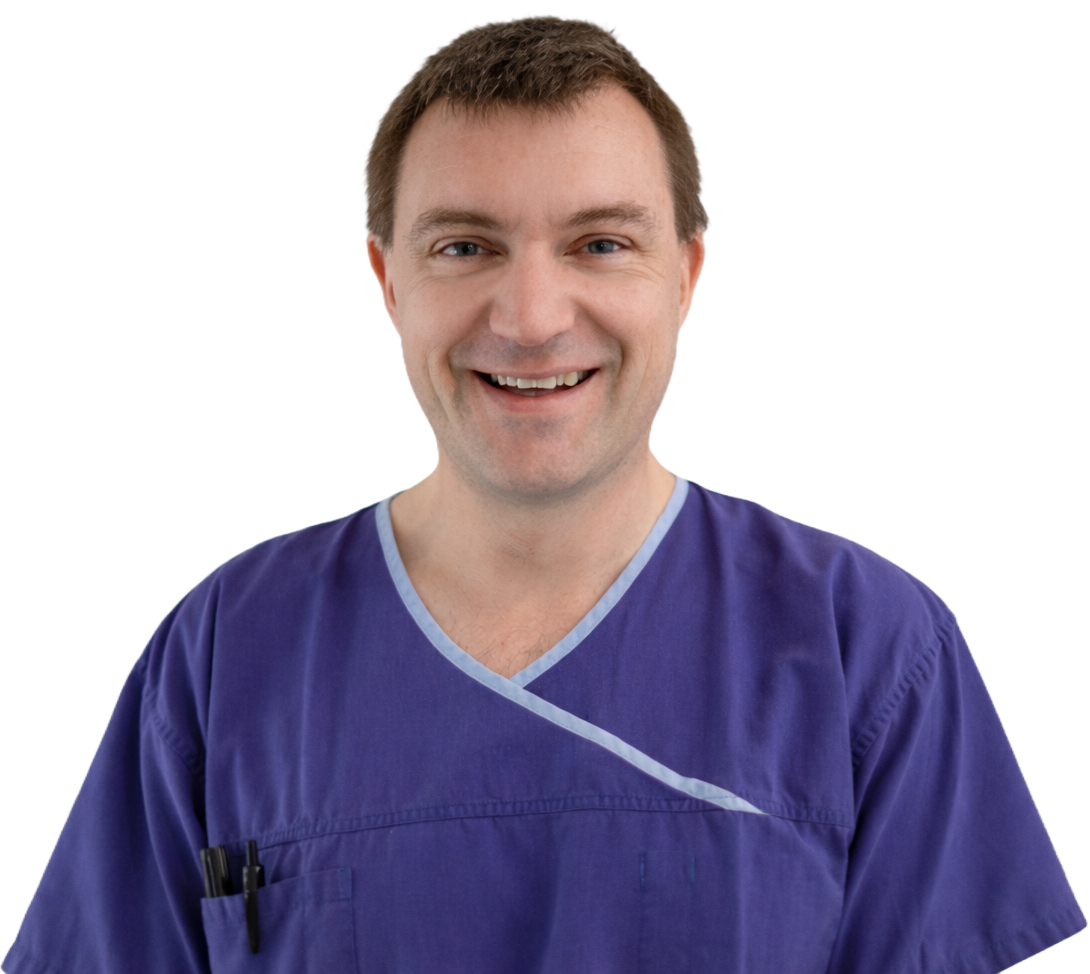
Revision Total Joint Replacement
Revision hip or knee replacement surgery is performed when a previous joint replacement requires surgical correction due to a problem. Sometimes this is as simple as one component wearing out and needing to be changed and sometimes it is complicated by infection or bone loss and requires multiple operations and significant planning and expertise.
Revision of a joint replacement is more complex than primary joint replacement surgery. It usually involves operating through previously damaged muscles and scar tissue and implanting prosthesis into damaged or altered bone and anatomy. It requires specialised expertise and experience, significant planning, modified surgical approaches and specialised prosthesis. Revision joint replacement surgery often involves longer recovery periods, particularly if Dr Brooker has to break a bone (osteotomy) to remove one of the prosthesis.
Why joint replacements need revision
Joint replacements may need revision for a number of different reasons, and the type of surgery that needs to be performed is different for each different indication. The significance of the surgery and the amount of recovery required is also different for each indication. Common reasons for revision surgery include:
- Loosening: implant separation from the bone. This may occur after many years of normal wear, or earlier due to high patient activity or poor bone quality. Loosening of the implant usually presents with increasing pain and limping and often requires complete replacement of the components at a large operation.
- Infection: can occur weeks to years post-surgery. Bacteria from dental procedures, other surgeries, or distant infections can affect the joint. Infection may be difficult to treat and requires specific treatment protocols and often multiple surgeries, sometimes removing the whole joint and starting all over again. Revision surgery for infection is often the most difficult to recover from.
- Dislocation: the joint replacement dislodges, typically a hip replacement where the ball displaces from the socket. Recurrent dislocations or persistent instability may require revision surgery, which is often similar to a primary joint replacement in terms of recovery.
- Periprosthetic fractures: fractures around the implant from falls or trauma. Fractures around a joint replacement may require fixation of the fracture or revision of the components or both. The recovery from surgery for a periprosthetic fracture is often a lot longer than expected because the bone has to heal around the implant.
- Component wear: the polyethylene (plastic) liner will degrade over time, producing debris that may damage the surrounding bone. If this is advanced, revision surgery may be required. If the bone damage is minimal then a simple plastic liner exchange may be all that is required and the recovery fairly straight forward. If the bone damage is significant then component replacement may be required and the recovery a lot more difficult.
The technical aspects
The surgery for revision joint replacement is different depending on multiple factors, including the indication for surgery, the viability of the implants and also simply whether you can get “spare parts” for that particular joint replacement any more. Some joint replacement prosthesis are no longer made, so if one part wears out or needs to be replaced then the whole joint will need to be removed and a new one inserted.
The patient experience is usually similar to a primary total joint replacement, the anaesthetic is usually similar and the recovery is similar although often longer. If a bone needs to be broken to remove a component (an osteotomy) then the recovery is often many months longer than a primary joint replacement. If the surgery is a simple exchange of components for polyethylene (plastic liner) wear, the recovery is not as long or arduous. If the indication for surgery is infection then multiple operations may be required and the recovery will be complex.
Prior to any operation Dr Brooker will explain the surgical plan and the likely recovery afterwards. It is important to understand that revision surgery is not always predictable, and Dr Brooker always approaches the surgery with multiple plans depending on what the joint looks like inside.
Outcomes and expectations
Revision surgery carries higher risks than primary joint replacement, including increased infection, dislocation, nerve damage and re-revision rates, though these remain relatively low with experienced surgeons. Most patients achieve significant pain relief and improved function after revision surgery, with an expected longer and more demanding recovery process. You should expect to spend longer in hospital by a few days, spend longer time walking with a walker or crutches, and longer in physiotherapy than your primary joint replacement.
Although every revision arthroplasty operation is different and every indication is different, modern techniques and implants generally provide good outcomes. Many patients achieve 15-20 years or more of good pain relief and function from revised joint replacements.
Surgical planning and expertise
Revision joint replacement surgery requires specialised training, experience, and equipment. Each case requires individualised planning based on anatomy, failure mechanism and implant factors (what prosthesis is in your joint already). This will take time to assess and may be frustrating (especially if infection is suspected), but is essential to ensure that the right operation is planned and all the equipment that may be required is available. Dr Brooker will evaluate your situation, explain the treatment options, and if required develop a surgical plan to revise your joint. As accurately as possible, Dr Brooker will provide guidance and information about recovery timelines and surgical risk. It is important to accept that revision surgery may be unpredictable, and the plans may have to change as healing progresses or management dictates.